Did you know Aesop was an ancient Greek storyteller who was originally a slave? His stories have been around for thousands of years. They all teach a moral lesson, and it seems these morals are truly timeless.
I read a book that referenced this fable, and it made me wonder whether this story is still being read and told at home or in schools. So I decided to introduce it to the children. I say “introduce,” because for some, the ideas are a bit too complex to understand just yet. But for others, they grasp the message right away.


I had a bag of gold coins that I showed to the children (sorry, I forgot to take a photo):


Our vocabulary word:

The two year olds just enjoyed loving on the goose.


“Don’t be greedy, or you might lose everything”
I also like to be clear with the children, the golden eggs and the gold are not bad. Money can be good and helps us, and can help others. It is the wanting of way more than is needed that gets us in trouble.

After the story, I showed the children a video of some geese I met. I was hoping one might lay a golden egg for me! Hahaha. Darn it – they just honked at me.

On the projector:

My after school classes made these geese (with golden eggs!):


We then heard there was a goose on the loose at school. We followed the trail.


We found a nest of golden eggs!

Did Aesop put these inside?


We went outside to see if we could find the goose. We found feathers and looked everywhere. Maybe it will show up at one of our homes and lay golden eggs for us?


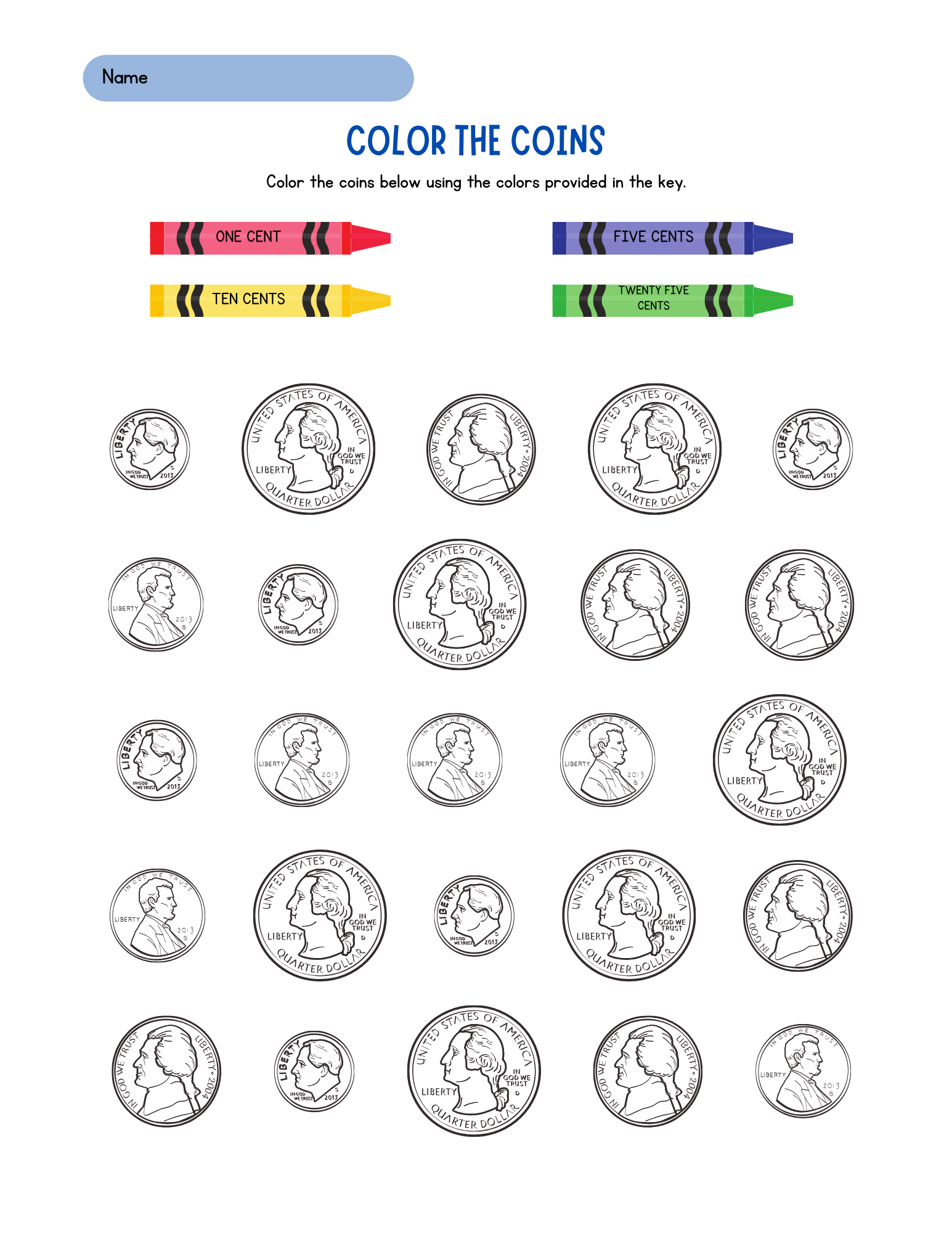
Each child received a story bag. It included a map of the story, gold coins (see below), the egg they found, a coloring page, and a coin worksheet.

The children “sold” their gold eggs to “the goldsmith” for coins (they got to keep their eggs too).


Did Berto find a goose that lays golden eggs?

More Aesop Fables:

Find more ideas to go with the book here:
